Building for the Future – Expanding Danila Dilba’s Capital Footprint
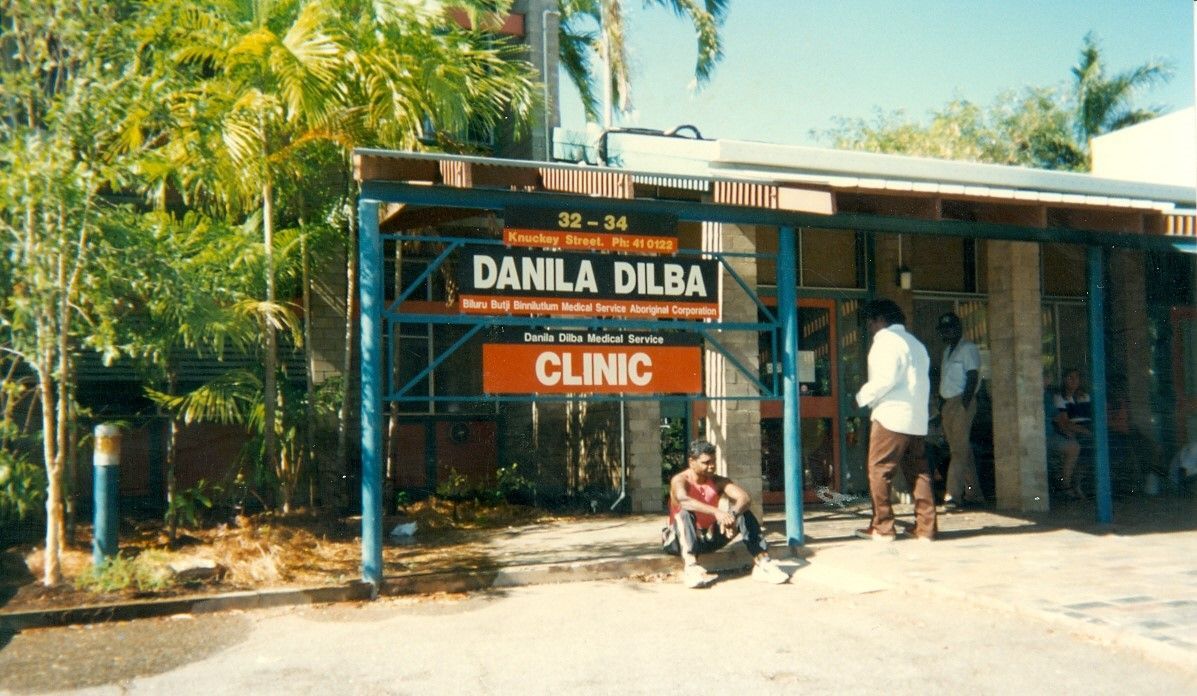
Danila Dilba Health Service’s journey is a story of determination, advocacy, and community-led growth. From a single modest clinic in 1991 to a network of modern, purpose-built facilities in 2025, its footprint spreads far and wide across the Northern Territory.
“The story of Danila Dilba began in the 1970s – a time of great activism for Aboriginal and Torres Strait Islander people across Australia,” recalls CEO Rob McPhee.
“After Cyclone Tracy hit in 1974, people were evacuated to southern cities – like Redfern in Sydney – where local Aboriginal medical services were already operating.”
“Aboriginal and Torres Strait Islander people in Darwin were impressed by the culturally safe services being delivered down south and became motivated to establish one in Darwin. But it was anything but a smooth road.”
“From the initial decision by key Aboriginal leaders to lobby for a service, it took 17 years of meetings, petitions, and even a ‘sit-in’ of government offices for a culturally appropriate primary health service to receive funding to open its doors in Darwin. Since that time, Danila Dilba has never looked back.”
From that first small clinic with seven staff, the service has grown into a network of seven clinics employing close to 250 multidisciplinary staff. They now deliver not only primary healthcare, but also social and emotional wellbeing, aged care, child and family, and chronic disease services.
McPhee says advocacy has always underpinned this growth.
“We have always needed to be proactive in explaining the importance of cultural safety in improving health outcomes for Aboriginal and Torres Strait Islander people,” he explains.
“That advocacy, combined with strategic partnerships, has allowed the organisation to expand at critical moments.”
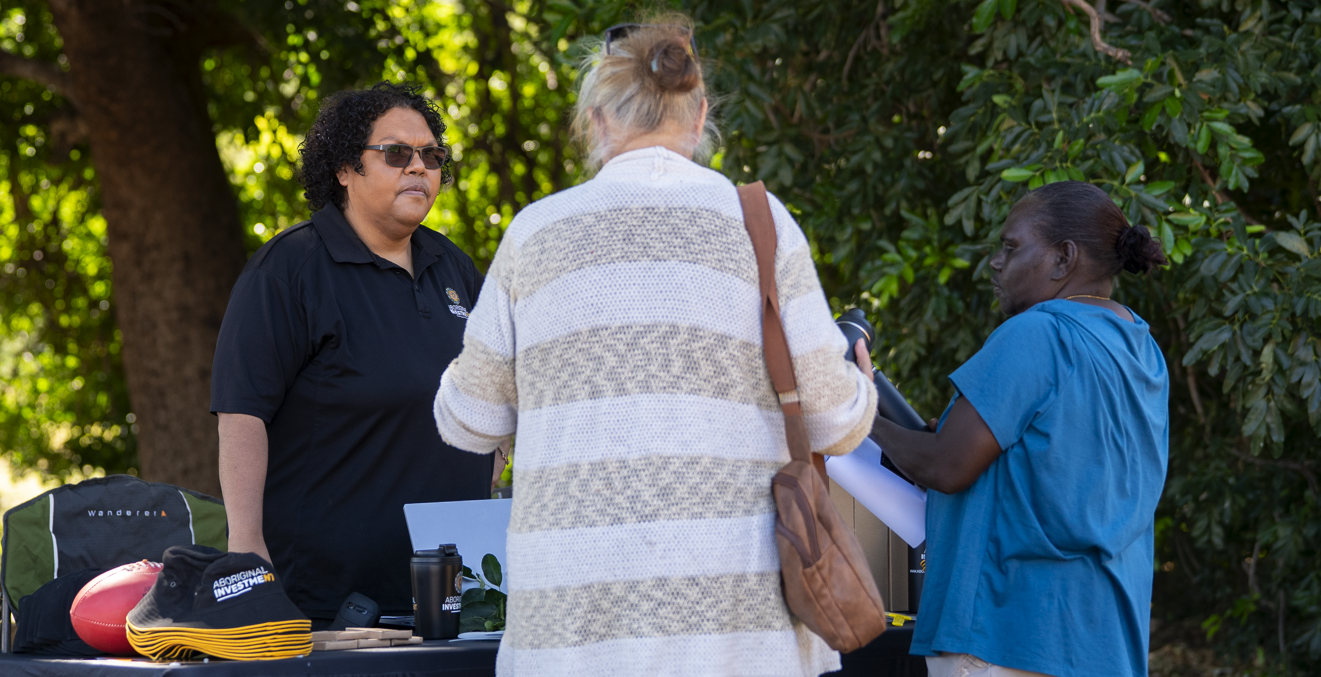
In 2024, Danila Dilba received a grant from Aboriginal Investment NT’s former grant program under the name of Northern Territory Aboriginal Investment Corporation to establish the new Palmerston Clinic and Health Club. McPhee is clear about the role of Aboriginal Investment NT in this continued growth.
“The financial contribution from Aboriginal Investment NT was critical to this project, because without it we wouldn't have been able to afford to purchase the land to build our new clinic,” he says.
“We are very grateful to Aboriginal Investment NT for sharing our vision on this project which will assist us to meet the ever-increasing demand for primary health care by our community.”
The Palmerston site, at the corner of Wilson and Ridge Streets in Gunn, is ideally located near pharmacies, pathology services, and public transport.
“Demand for services at all Danila Dilba clinics continues to increase,” McPhee notes.
“Part of the reason there can be a wait to receive care at our current clinic is due to a lack of available clinic space. The new clinic will include additional consulting rooms, as well as a much bigger and more inviting waiting area for families, including an area for young ones to play.”
Community input has also shaped the design, developed with Kaunitz Yeung Architects.
“Overwhelming feedback told us that a large, family-friendly waiting area would significantly improve their experience when they come to the clinic. So we’ve designed the entire space around a central area where families can feel culturally safe and relaxed with their kids,” McPhee explains.
For him, the project goes beyond infrastructure, expressing that building a large clinic is beneficial for a number of reasons.
“Our ability to attract new clinical staff is much easier when they are coming to work in a beautiful, custom-built space. But a large clinic also allows us much greater flexibility to deliver our holistic services… Most importantly, this will be so much more than a clinic. It will be a place for our community to connect – both with their health service and with their community.”
The Palmerston Clinic and Health Hub is a cornerstone of Danila Dilba’s long-term vision: to ensure culturally safe, accessible, and world-class healthcare for Aboriginal and Torres Strait Islander people in the Northern Territory for generations to come.
share this
Related Articles