

Bush Tucker Becoming Big Business
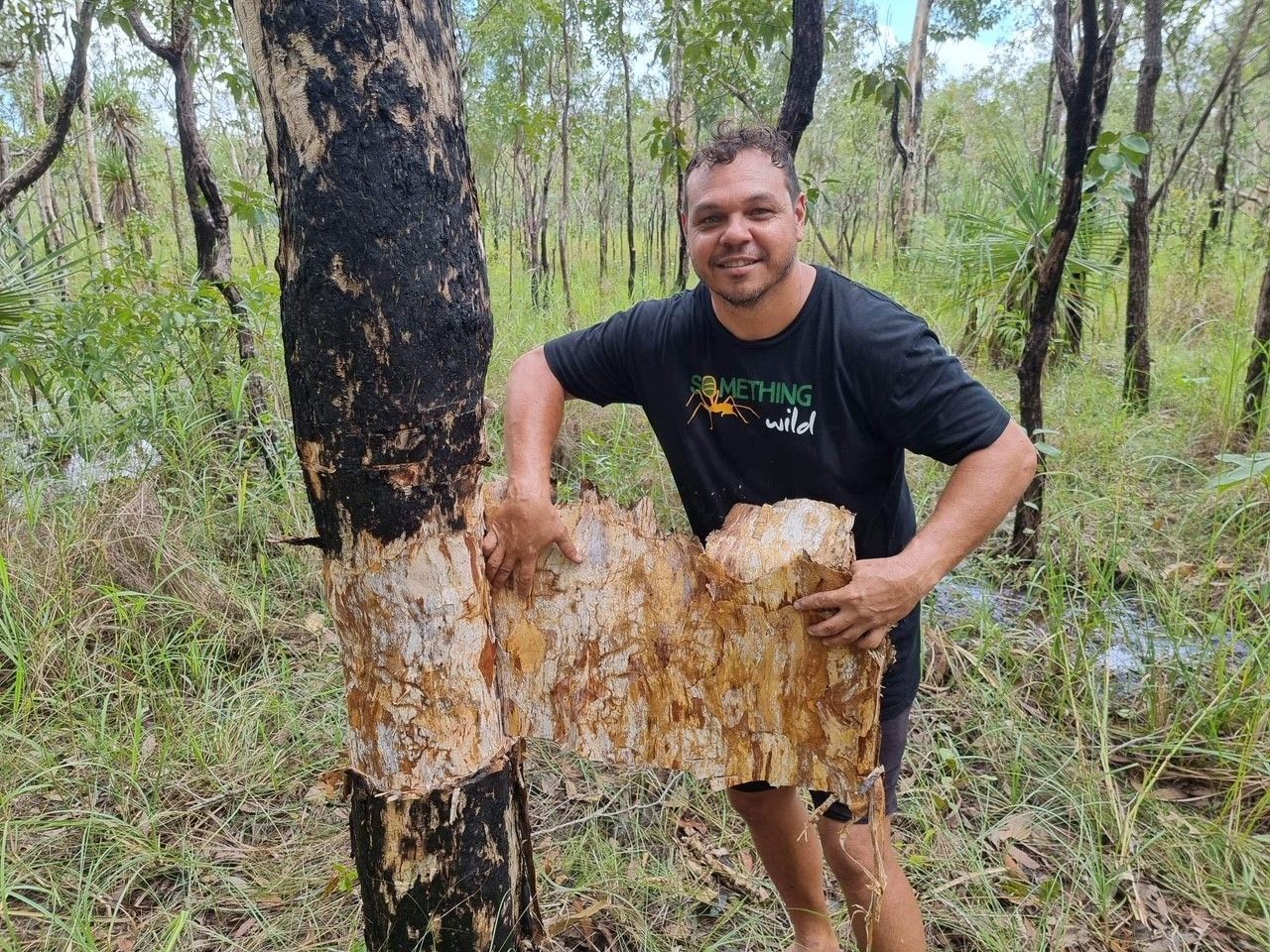
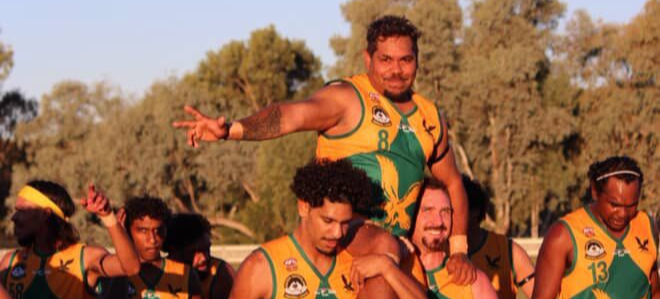
From collecting kicks at the MCG to gathering Kakadu plum, green ants and magpie geese, former AFL star Shannon Motlop is channeling his passion and drive into building a company that empowers Aboriginal communities to harness the abundance off their land.
Mr Motlop’s Aboriginal Community Harvest employs local people to work on their traditional lands, collecting native cuisine bound for Territory and interstate markets.
“We work very closely with traditional owners,” he said.
“They’re the experts on their country and are key to the business's ongoing success. We have harvesting permits and work with Indigenous organisations, such as the Bawinanga Aboriginal Corporation in West Arnhem Land.”
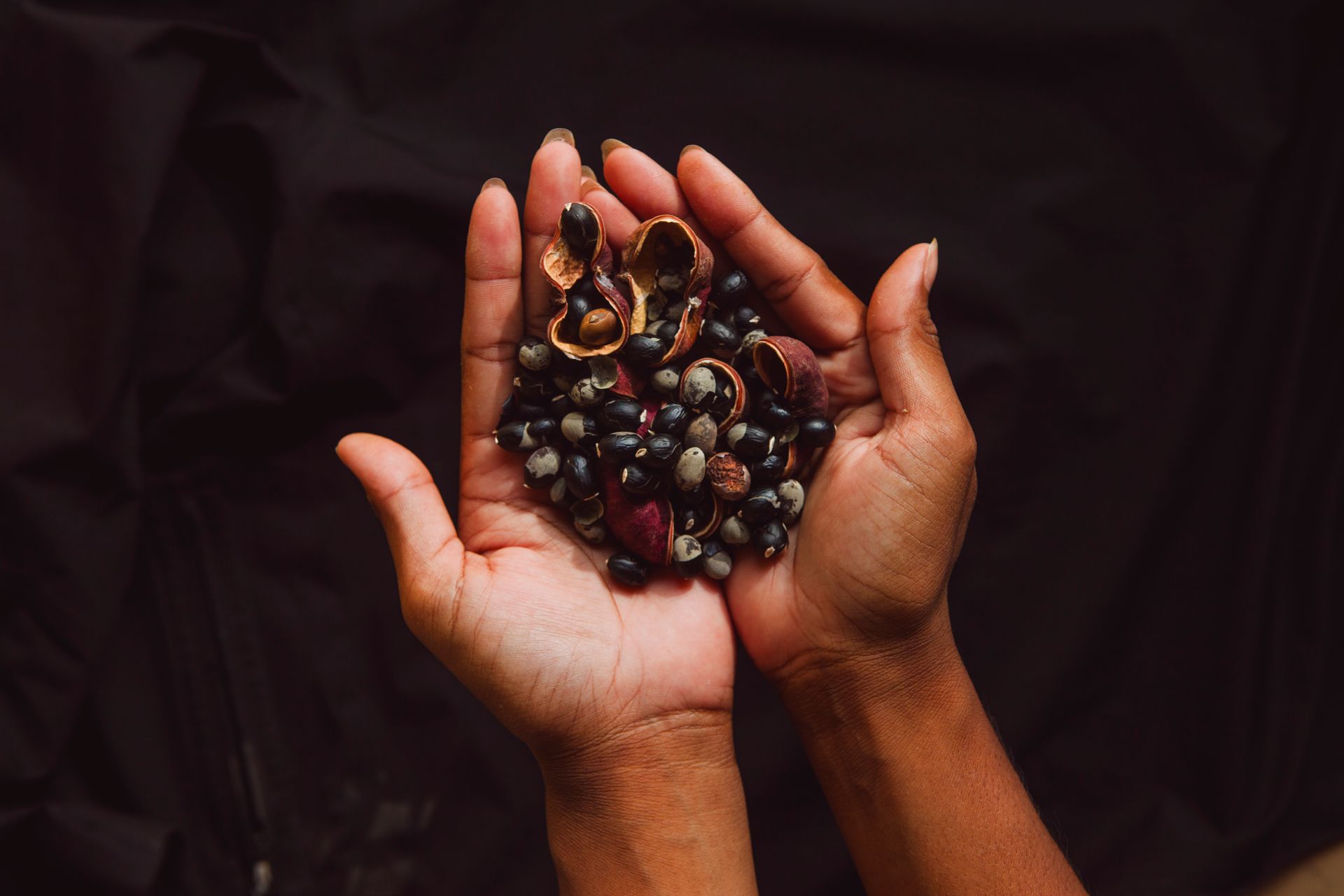
The harvest includes Kakadu plum, which is renowned for its high amount of natural vitamin C, and paperbark. Paperbark is used as a display for fresh salads, roasts, and fish dishes, and as a wrap when baking seafood, poultry, and red meats.
Aboriginal Community Harvest also wild harvests magpie geese and green ants.
“Magpie geese are starting to make a name for themselves as a genuine alternative to mainstream meats. It’s lean, high in protein and a very versatile food product. More and more chefs are considering how to incorporate it into their menus.”
Mr Motlop works with two other Indigenous-owned companies, Seven Seasons Spirits, makers of green ant gin, and Something Wild, which supplies produce to some of Australia’s top restaurants, including Melbourne’s Vue de Monde and Heston Blumenthal’s The Fat Duck when it was in Australia.
“The demand for bush foods is certainly growing; native foods just have such amazing flavours, and that’s really catching on.”
The bush food industry, according to the latest available market research from the University of Sydney, was worth $81.5 million in the 2019-2020 financial year, with the potential to double by 2025.
Mr Motlop is focused on shoring up more local and interstate contracts while exploring international markets on an upcoming visit to Singapore.
Thanks to a recent capital injection from Aboriginal Investment NT, Mr Motlop is well-positioned to grow his business.
“Aboriginal Investment NT has been very helpful in supporting me in developing the business. The sky is the limit for Aboriginal Community Harvest.”
A first of its kind, Aboriginal Investment NT is an Aboriginal-led investor tasked with granting and investing Aboriginal money to achieve long-term social, economic and cultural impacts.
Chief executive Elly Patira said Aboriginal Investment NT is proud to support Aboriginal businesses that empower local communities.
“Mr Motlop has a unique company,” she said. “It’s got potential to sell nationally and even internationally, in turn creating further on-country employment opportunities.”
“There’s a strong community element. We aim to provide capital so that Indigenous people can leverage off their land and cultural knowledge, which has downstream benefits for Aboriginal communities.”
Ms Patira, a First Nations woman and lawyer, said Aboriginal Investment NT's approach to investing and deploying capital is founded on the principle of Aboriginal self-determination.
"We know from both personal experience and research that when our communities have the capital to back in their own economic, social and cultural goals - aligned with their cultural values and standards of success – we achieve better outcomes."
share this
Related Articles